



Blog

World polycentrism according to superpowers: Eurasia
Rupert Murdoch stated that "the world is changing dynamically. We are moving away from the old economic model to a new one, where every entrepreneurial activity must find a way to transform its structures to adapt to the new economic model approaching at the speed of light. A large state will no longer defeat a small one. It will be a victory for a rapidly developing economy over a slowly developing one." […]
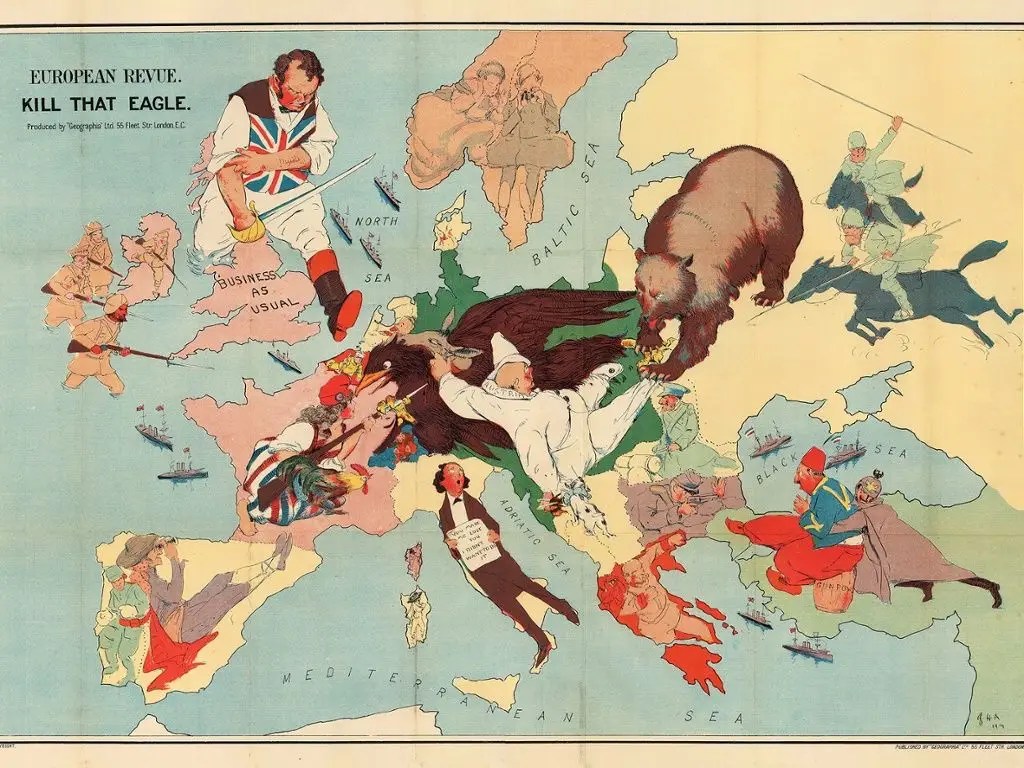
The hegemonic rivalry of the British Empire with the German Empire
To carry out an invasion, allies (cooperation of states) must be secured in the area of expansion. Russians, in the period 1750-1950, always expanded westward in agreement with other European countries. Without the potential (man-power) reinforcement from players in the target areas of expansion, aggressive policy from the Heartland is doomed to fail. [...]

What threats does energy dependence on Russia pose to Europe?
Introduction: Concepts for building an "energy superpower" by the Russian Federation. Russian elites believe that the Russian 'mir' (world) with its core center of power in the form of the Russian Federation constitutes a distinct civilization and appears as Lev Gumilyov's concept of the Great Limitroph ('Russia-Island') in the spirit of Tsymbursky's Doctrine, creating an independent geostrategic pole. […]
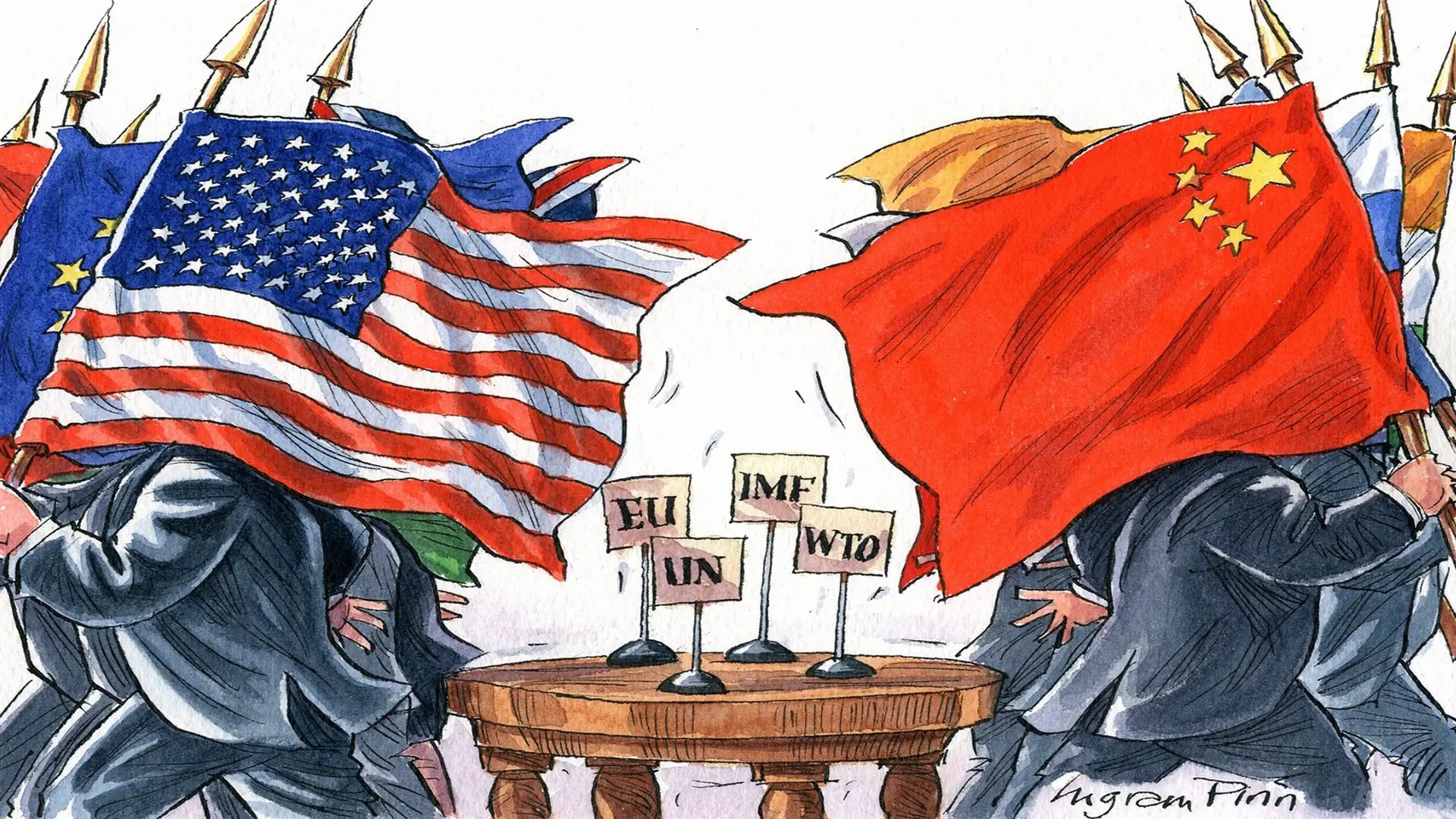
Factors destabilizing the international economic system in the context of China-US geopolitical rivalry
The shape and size of a state's territory are fundamental conditions in measuring its strength and influence on the international stage. Every state strives to maximize its power in the global game of great powers due to concerns about the emergence of a rival power threatening the state's national interests. […]
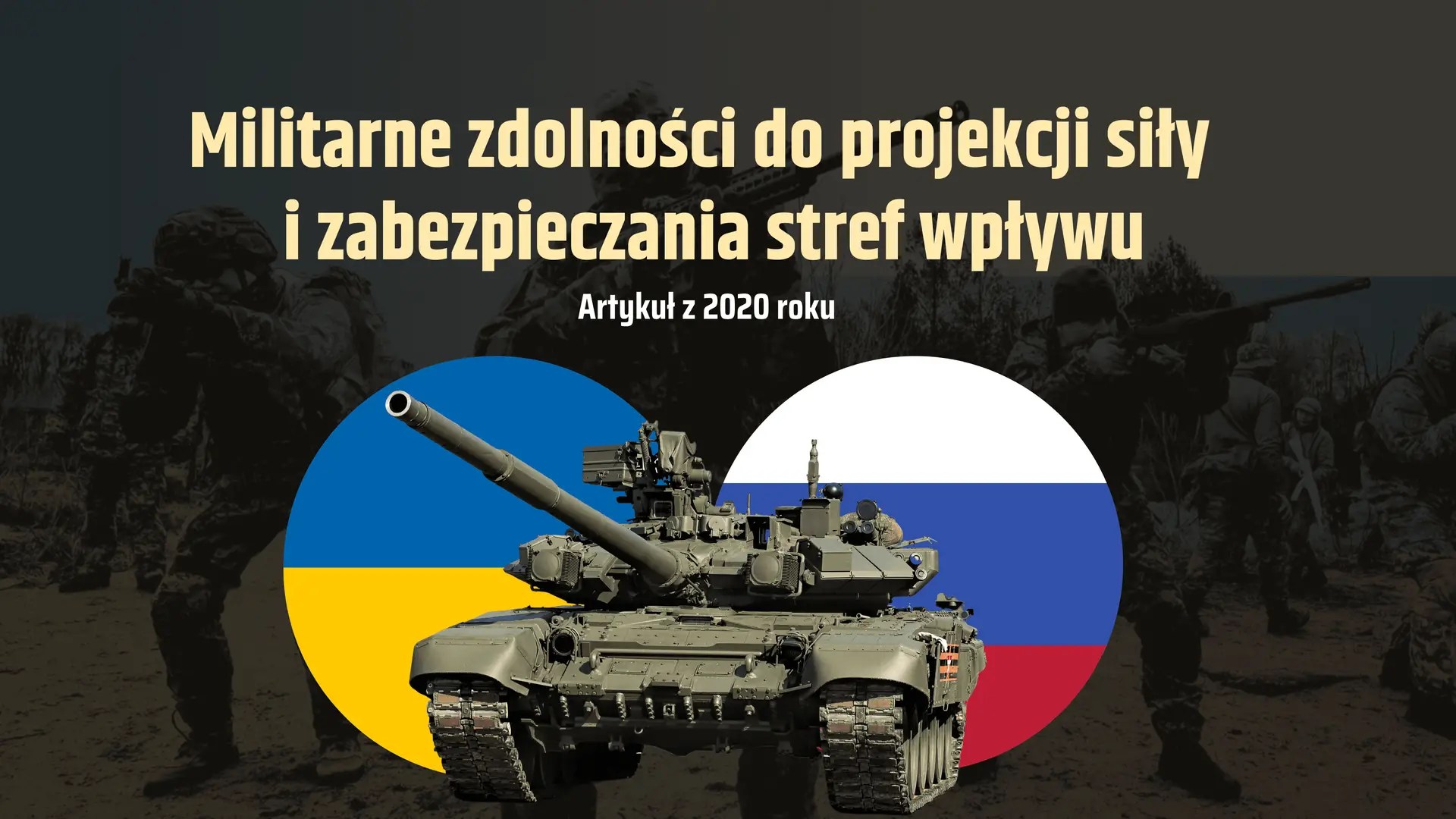
Military Capabilities for Power Projection and Safeguarding Spheres of Influence
This article was written in 2020. It is excerpted from my chapter titled 'Operational Directions in the Geostrategy of the Russian Federation' in the book 'Geopolitics of Russia and the Post-Soviet Space: Spheres of Influence, Volume 1'. It is available via the link here. Historically, the military expansion of land-based states stimulated monetary expansion by increasing the tax base. [...]

The Southern Theater of Operations of the Russian Federation
Southern Directions within Russian Territory. Effective security for the southern theater of operations of the Russian Federation is possible thanks to the annexation of Crimea. The length and form of political borders, which are not based on solid geographical barriers (boundaries), are a significant element contributing to Russia's sense of insecurity. […]
Russian Warfare Strategies in the European Operational Direction
After 1991, as the sole superpower, the United States engaged in numerous armed conflicts to maintain its primacy, expanding its international spheres of influence to key strategic locations such as the Balkans (Kosovo War), control of the Middle East—the so-called Middle East Pentagon (both Persian Gulf Wars and the Iraq War), and exerting influence on Iran and Central Asia […]

The Best Islands for Beaches, From Aruba to the Baltics
Bartłomiej Radziejewski's book, by the founder of the think-zine Nowa Konfederacja, sparked great enthusiasm in me. The author correctly identifies areas for critical analysis of Poland's position in the international system, as well as the condition of Poland's economic, social, and politico-institutional order. [...]